
The concept of aging has undergone a massive transformation over the past few decades. In the past, growing older was often viewed as a simple, linear process of slowing down and accepting a gradual decline in physical and mental vitality. People typically addressed health issues only after they became severe, treating each ailment as an isolated problem. Today, a new paradigm has emerged. Modern agers view the human body not as a collection of separate parts, but as a complex, highly interconnected system where every organ, tissue, and psychological state influences the others. This holistic perspective forms the core of what experts call a multi-disciplinary longevity blueprint. By addressing health from multiple angles simultaneously, individuals can maintain a high quality of life, stay active, and retain their youthful energy well into their senior years.
Taking a comprehensive approach to longevity means recognizing that small imbalances in one area can ripple across the entire system. For instance, chronic stress can manifest as physical tension or skin inflammation, while poor metabolic health can silently damage circulation and joint function. To counteract these compounding effects, a growing number of adults are moving away from traditional reactive medicine. Instead, they are embracing integrated strategies that blend medical science, advanced therapeutics, and stress reduction. A modern longevity plan might include routine medical evaluations, targeted structural treatments, and dedicated relaxation practices. Many people begin their wellness journey by visiting a premier wellness spa to decompress and reduce their daily cortisol levels. While relaxation is an excellent starting point, achieving true long-term vitality requires combining these soothing experiences with specialized clinical care that targets the root causes of physical decline. This multi-layered philosophy ensures that individuals do not simply add years to their lives, but add vibrant, active life to their years.
Additionally, the societal perception of retirement and senior life has shifted dramatically. Today’s modern agers are not looking to passively spend their golden years sitting on the sidelines. They want to travel, participate in sports, and remain deeply engaged with their families and communities. This active lifestyle demands a strong physical and mental foundation that can withstand the test of time, proving that proactive management is the best tool for sustainable well-being. When people choose to manage their health proactively, they prevent the cascading failures that typically characterize old age, replacing them with a state of balanced, sustainable well-being.
Circulatory Vitality and Peripheral Health
One of the most critical elements of long-term health is the maintenance of a strong and efficient circulatory system. Blood vessels serve as the primary superhighway of the human body, delivering oxygen, vital nutrients, and immune cells to every single tissue. As the body ages, cardiovascular channels can become less flexible and more prone to the accumulation of plaque. This vascular narrowing can quietly reduce blood flow to distant parts of the body, particularly the legs and feet. A common manifestation of this underlying circulatory deterioration is peripheral artery disease, a condition that occurs when fatty deposits restrict arterial blood supply to the lower limbs. Left unmanaged, this restricted circulation can cause discomfort during movement, slower healing times, and a significant reduction in overall physical stamina. This condition can sneak up on individuals, starting as a faint ache before escalating into a major lifestyle barrier.
Because circulatory blockages develop gradually, many individuals mistake the early warning signs for standard signs of aging or simple muscle fatigue. However, ignoring these symptoms can lead to severe mobility limitations and long-term tissue damage. To effectively address advanced circulatory issues, patients frequently consult with specialized vascular surgeons who possess the expertise to evaluate blood flow and perform advanced interventions when necessary. These specialists can recommend lifestyle changes, custom medical therapies, or minimally invasive procedures designed to restore proper arterial function. Ensuring clear and efficient circulation throughout the body helps protect internal organs, improves physical endurance, and provides the foundational support needed to keep the body moving freely and comfortably for decades to come. By prioritizing vascular health, older adults can safeguard their mobility and protect their independence.
Vascular wellness also plays a major role in wound healing and immune defense. When arterial flow is compromised, minor injuries on the lower limbs take longer to repair. Early screenings allow clinicians to detect subtle changes in blood velocity before severe symptoms emerge, ensuring a constant supply of nutrient-rich blood to support an active lifestyle.
Mobility, Joint Support, and Comfort Options
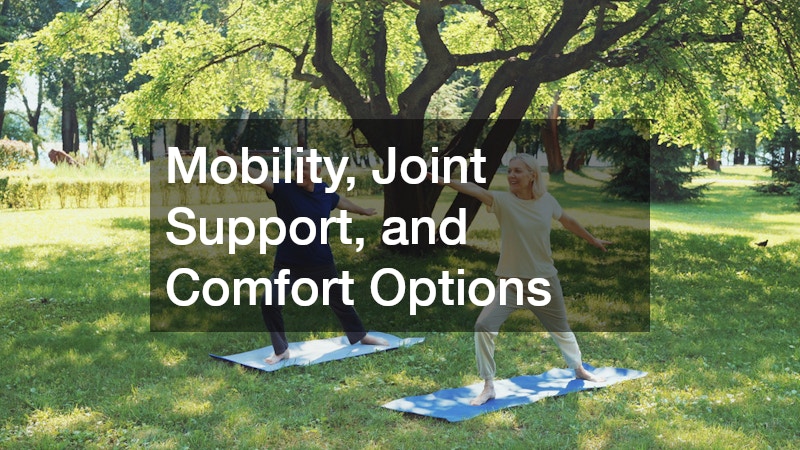
Maintaining physical mobility is essential for keeping a high quality of life as the years pass. Daily movement supports cardiovascular fitness, keeps muscles strong, and promotes mental clarity. Unfortunately, mechanical wear and tear on the musculoskeletal system can create substantial obstacles to an active lifestyle. Joint deterioration is particularly common in weight-bearing areas, leading many older adults to struggle with chronic knee pain on a regular basis. This type of ongoing discomfort can turn simple activities, such as climbing a flight of stairs, walking through a grocery store, or playing with grandchildren, into painful chores. When individuals avoid movement to protect their aching joints, they often inadvertently trigger a cycle of muscle weakness and increased stiffness. This muscle loss further worsens the strain on the joints, compounding the discomfort over time.
To break this frustrating cycle, modern longevity strategies focus on early intervention and comprehensive therapeutic support. Rather than relying solely on temporary fixes or jumping straight to major invasive surgeries, patients can benefit immensely from a dedicated pain management service. These specialized clinical programs offer a wide range of conservative and advanced treatments tailored to the specific needs of the individual. Therapists and physicians work together to provide targeted joint injections, non-pharmacological therapies, physical rehabilitation, and lifestyle modifications. By reducing localized inflammation and restoring joint lubrication, these comprehensive services help individuals regain their physical independence, allowing them to remain active participants in their own lives without being held back by constant physical discomfort or relying excessively on temporary solutions.
In addition, chronic joint discomfort drains cognitive energy and diminishes a person’s enthusiasm for social gatherings. A multi-modal pain strategy helps reverse this physical toll by combining temporary relief with long-term structural rehabilitation, protecting the musculoskeletal structure and allowing for smooth, fluid movement.
Advanced Restorative Options for Oral Function
The mouth is often described as a gateway to the rest of the body, and its structural health plays a vital role in systemic longevity. Healthy teeth and gums are necessary for proper mastication, which ensures that the digestive system can efficiently absorb vitamins and nutrients from food. Unfortunately, decades of use can leave teeth vulnerable to structural fractures, deep decay, and enamel erosion. When a tooth becomes structurally compromised, it can alter the alignment of the bite, cause chronic discomfort, and allow harmful bacteria to enter the bloodstream. To protect these vulnerable structures and restore complete chewing function, dental professionals frequently utilize custom dental crowns to cap and reinforce damaged teeth. These durable restorations prevent further breakage and ensure that the mouth remains functional and healthy, preventing secondary systemic complications.
Beyond the clear structural and biological requirements of oral health, the visual appearance of a smile has a profound impact on psychological well-being and self-assurance. As people grow older, stains, misalignment, and worn teeth can cause them to hide their smiles and withdraw from social interactions. Addressing these aesthetic concerns through professional cosmetic dentistry can dramatically improve a person’s self-esteem and social confidence. Modern dental techniques allow clinicians to reshape, brighten, and align teeth using conservative methods that preserve natural tooth structure while delivering stunning visual results. Combining restorative treatments with aesthetic upgrades ensures that individuals can eat comfortably, speak clearly, and smile proudly, reinforcing both their physical health and emotional vitality as they navigate the aging process with confidence and grace.
The consequences of untreated dental decay extend far beyond the mouth. When structural gaps are left unaddressed, adjacent teeth shift out of place, causing a misaligned bite that triggers neck tension or headaches. Investing in oral health is, therefore, a critical step in preserving both physical function and a youthful facial appearance.
Endocrine Balance and Dermatological Care
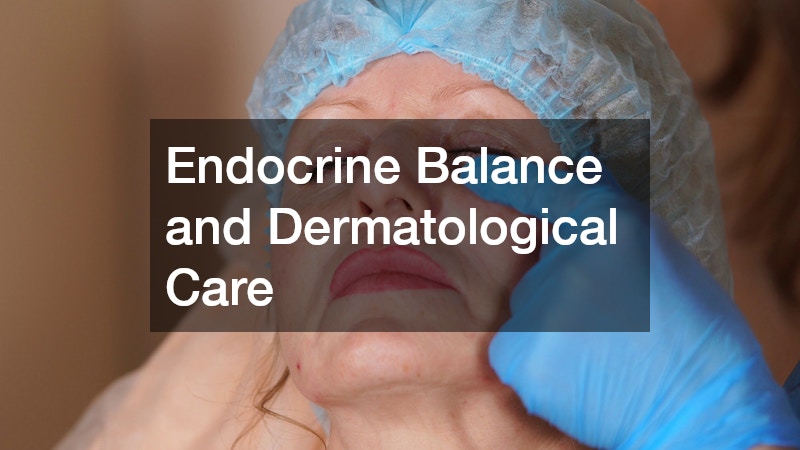
As the human body moves through different stages of life, the endocrine system undergoes significant shifts that can impact energy, mood, and tissue regeneration. Hormones act as chemical messengers, regulating everything from metabolic rate and bone density to muscle mass and cognitive focus. A gradual decline in natural hormone production can cause individuals to experience persistent fatigue, unexplained weight gain, and a general loss of physical drive. To counteract these systemic changes, many modern agers seek professional hormone support to restore their biochemical markers to more optimal, youthful levels. Under careful medical supervision, balancing these internal compounds can help preserve lean muscle tissue, protect skeletal strength, and give individuals the physical energy required to sustain an active lifestyle. This balance is critical for maintaining an optimal cellular environment.
The internal changes regulated by the endocrine system are frequently reflected on the outermost surface of the body. Hormonal fluctuations, environmental exposure, and reduced collagen production can take a heavy toll on the skin, leading to thinning, deep wrinkles, and slow healing. Consulting with a qualified dermatologist allows individuals to address these structural skin changes using advanced, medically sound therapies. These skin care experts can design personalized regimens that incorporate topical cellular communicators, laser treatments, and protective therapies to maintain the skin’s barrier function. By combining internal endocrine optimization with expert external care, modern agers can protect their bodies from the inside out, ensuring that their outer appearance reflects the vibrant health and energy they feel on the inside, preserving both cellular health and youthful aesthetics.
Skin health is also affected by environmental exposure and cumulative metabolic stress. A comprehensive skincare approach goes beyond superficial applications to focus on deep barrier support. Advanced treatments can improve elasticity and repair damage, giving the complexion a radiant glow that reflects true internal health.
Psychological Wellness and Emotional Balance
True longevity involves much more than just maintaining a strong physical body; it also requires nurturing a resilient and balanced mind. The psychological impact of navigating major life transitions, career shifts, changes in physical capabilities, and the natural loss of loved ones can create deep emotional challenges. Prolonged psychological stress can trigger a systemic inflammatory response, which can worsen existing physical ailments and accelerate cellular aging. To manage these complex emotional landscapes, individuals can benefit greatly from establishing a therapeutic relationship with a licensed therapist. Engaging in regular counseling sessions provides a safe, supportive space to process stress, reframe negative thought patterns, and develop healthy coping mechanisms for life’s inevitable changes. This emotional processing helps lower systemic cortisol levels.
Mental health support also plays a critical role in how people experience and manage chronic physical conditions. Individuals dealing with mobility challenges or discomfort often experience secondary anxiety or situational depression that complicates their recovery. Working with a mental health professional helps patients maintain a positive, proactive mindset, which has been shown to improve clinical outcomes and speed up rehabilitation. By prioritizing mental well-being alongside physical health, modern agers can cultivate psychological resilience, keep their cognitive faculties sharp, and approach the later chapters of life with a sense of purpose, optimism, and deep emotional stability, ensuring that mental health walks hand in hand with physical capability.
In addition to counseling, building a resilient mind involves maintaining strong social connections and participating in stimulating activities. Isolation is a major risk factor for accelerated cognitive decline. Prioritizing mental agility ensures that modern agers can adapt to life’s changing circumstances with clear focus.
A Cohesive Path to Lasting Vitality
Building a comprehensive framework for aging well requires a willingness to look at the big picture and connect the dots between various aspects of health. The human body functions as an intricate network, where blood circulation, joint mobility, oral integrity, hormonal balance, and mental wellness are all deeply dependent on one another. When an individual takes proactive steps to support each component of this system, the benefits compound, leading to a level of vitality that cannot be achieved by focusing on isolated symptoms alone. Embracing a multi-disciplinary longevity blueprint empowers modern agers to take control of their health journeys and experience the aging process not as a period of inevitable decline, but as an opportunity for continuous growth, activity, and fulfillment. By combining advanced medical interventions with mindful lifestyle practices, individuals can ensure that their later years are defined by strength, comfort, and a lasting joy for life, maintaining their health independence for as long as possible.