Hearing that you need a root canal can be intimidating, especially if you have never had the procedure before. Many people feel anxious because of outdated misconceptions or uncertainty about what to expect. In reality, modern dental techniques have made root canals far more comfortable and efficient than many people realize. Knowing how to prepare can help reduce stress and make the experience much smoother from beginning to end.
Understand Why the Procedure Is Necessary
A root canal is recommended when the soft tissue inside a tooth, known as the pulp, becomes infected or inflamed. This can happen because of deep decay, repeated dental work, a cracked tooth, or an injury that allows bacteria to reach the inner portion of the tooth.
Left untreated, the infection can worsen, leading to severe pain, swelling, and even tooth loss.
One of the primary goals of a root canal service is to remove the damaged tissue while preserving the natural tooth. After cleaning and disinfecting the inside of the tooth, your dentist seals it to prevent future infection. In many cases, a dental crown is placed afterward to restore strength and function.
Before your appointment, ask your dentist any questions you may have about the procedure, recovery, or expected timeline. Understanding each step can replace uncertainty with confidence. Your dentist may also review X-rays, discuss anesthesia options, and explain whether additional appointments will be necessary.
If you are currently experiencing significant tooth pain, sensitivity to hot or cold temperatures, or swelling around the affected tooth, let your dental office know before your appointment. This information allows the team to assess whether any adjustments or medications are needed before treatment begins.
Prepare Yourself Before the Appointment
A little preparation can make your visit more comfortable and help your appointment go as planned. Unless your dentist provides different instructions, eat a balanced meal before arriving. Because local anesthesia is commonly used, parts of your mouth may remain numb for several hours afterward, making eating less convenient until the sensation returns.
Continue taking any prescribed medications unless your dentist advises otherwise. If you take blood thinners or have medical conditions such as diabetes, heart disease, or immune disorders, discuss your health history with the dental office ahead of time. Providing accurate medical information helps your care team plan the safest approach for your treatment.
You should also plan your schedule accordingly so you have time to rest after your root canal service if needed. While many people return to work or normal activities the same day, others prefer to take the remainder of the day off, especially if they have a lengthy appointment or receive sedation.
Know What to Expect During Recovery
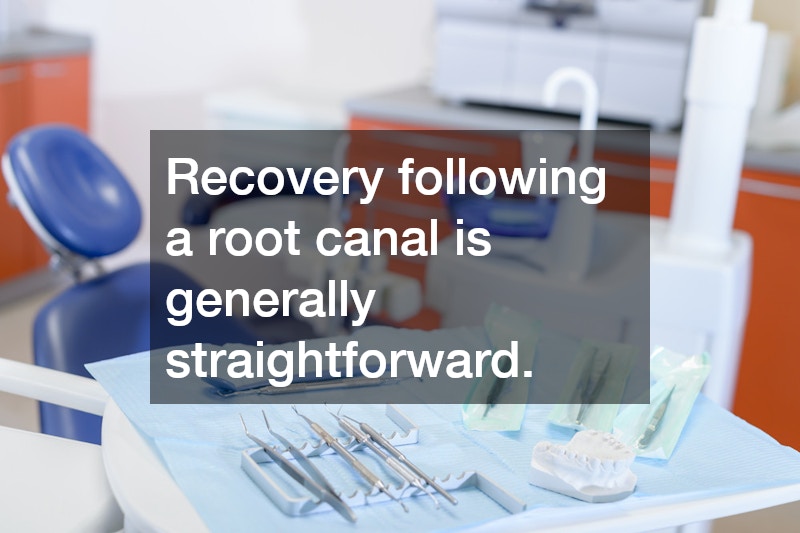
Recovery following a root canal is generally straightforward. Mild soreness or tenderness is common for a few days as the surrounding tissues heal, but this discomfort is often manageable with over-the-counter pain relievers recommended by your dentist. The treated tooth may also feel slightly sensitive when biting until healing progresses.
Follow all aftercare instructions carefully to protect your tooth during recovery. If a temporary filling or crown has been placed, avoid chewing hard or sticky foods on that side of your mouth until the permanent restoration is completed. Maintaining good oral hygiene by brushing and flossing as directed also supports proper healing.
Although complications are uncommon, contact your dentist if you experience severe pain that does not improve, significant swelling, persistent bleeding, or signs of infection such as fever. Prompt communication allows any concerns to be addressed before they become more serious. Attending all recommended follow-up appointments is equally important, particularly if your dentist plans to place a permanent crown after the initial procedure.
Once healing is complete, your treated tooth can often function normally for many years with proper care. Continue scheduling regular dental checkups, practicing consistent oral hygiene, and addressing small dental issues before they develop into larger problems. Taking these preventive steps can help protect both the restored tooth and your overall oral health after your root canal service.
Preparing for a dental procedure becomes much easier when you know what to expect. Understanding why treatment is needed, following your dentist’s instructions before your appointment, and practicing proper aftercare can all contribute to a smoother experience and successful outcome. With today’s advanced techniques and personalized care, a root canal is often an effective way to relieve discomfort, eliminate infection, and preserve your natural smile for years to come.