
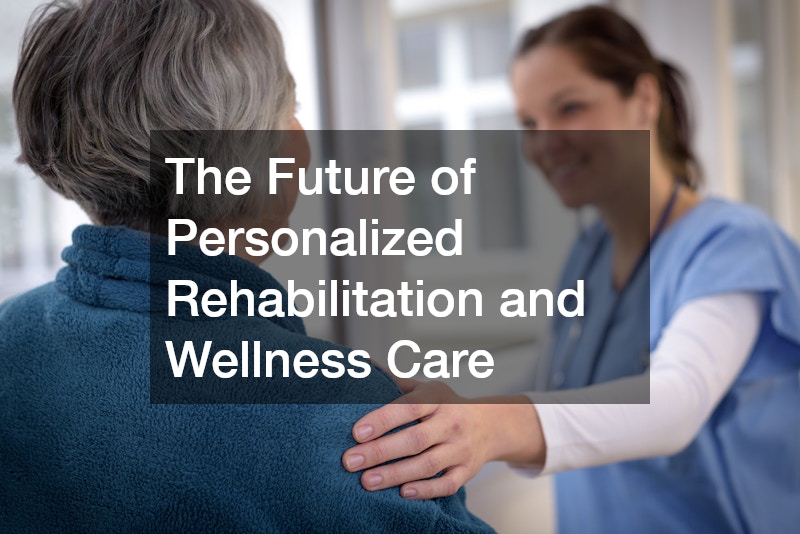
Healthcare is moving away from one-size-fits-all treatment models and toward a more individualized approach that considers the full context of a person’s life—physical condition, lifestyle habits, environment, and long-term goals. Rehabilitation and wellness care, in particular, are at the center of this transformation.
Instead of treating symptoms in isolation, modern systems are focusing on integrated recovery plans that combine nutrition, movement therapy, mental well-being, and preventive care. This shift is driven by better research, improved diagnostic tools, and a growing understanding that sustainable health outcomes depend on consistency and personalization.
Today’s patients are no longer passive recipients of care. They are active participants who want guidance, structure, and flexibility in how they recover and maintain wellness. The future of rehabilitation lies in blending clinical treatment with everyday lifestyle support systems that are realistic, adaptable, and long-term focused.
The following sections explore how different pillars of care are evolving to support this personalized model and how individuals can apply these ideas in practical ways.
Nutrition-Driven Recovery and Systematic Healing Support

Modern rehabilitation increasingly recognizes that recovery outcomes are deeply influenced by nutrition quality. Healing tissues, restoring energy, and managing inflammation all depend on what the body is being fueled with daily. Nutrients are not just supportive—they actively determine how efficiently the body repairs itself after injury, illness, or physical strain. Even small dietary inconsistencies can slow down progress, increase fatigue, and prolong recovery timelines.
In structured wellness environments, there is a growing emphasis on meal planning systems that prioritize whole, nutrient-dense foods sourced efficiently and consistently. This is where scalable food sourcing systems and planned dietary frameworks come into play. These systems are designed to remove guesswork from recovery nutrition by ensuring that patients receive balanced meals aligned with their healing phase. They also help care providers standardize outcomes while still allowing flexibility for individual needs.
The use of wholesale ingredients allows wellness programs, recovery centers, and even individuals to maintain consistency in nutritional quality while controlling cost and supply. Instead of relying on processed or inconsistent food sources, structured ingredient sourcing supports predictable recovery outcomes. It also makes it easier to batch-prepare meals, reduce waste, and maintain a stable supply of recovery-focused foods across different care settings.
Beyond logistics, nutrition planning is becoming more behavior-focused. Patients are encouraged to build routines around eating schedules, mindful consumption, and recovery-aware food choices. This helps reinforce discipline during rehabilitation, which often requires sustained lifestyle adjustments rather than short-term changes.
Key nutritional strategies for personalized recovery:
- Prioritize anti-inflammatory foods such as leafy greens, berries, and fatty fish
- Maintain consistent protein intake for tissue repair
- Reduce processed sugar to support immune stability
- Incorporate hydration planning, not just water intake
- Use meal preparation systems for consistency during recovery phases
Additional supportive practices include:
- Timing meals around therapy or exercise sessions for better energy utilization
- Adjusting calorie intake based on activity level and recovery stage
- Using nutrient tracking tools to identify deficiencies early
- Incorporating fiber-rich foods to support digestion and immune function
The future of wellness nutrition will likely include:
- Personalized diet algorithms based on health data
- Integration with wearable recovery tracking devices
- Customized supplementation plans tied to rehabilitation goals
- AI-assisted meal planning that adjusts in real time to progress markers
As these systems evolve, nutrition will shift from a general health recommendation to a precision-based recovery tool. Nutrition is no longer a background factor—it is becoming a central pillar of recovery design.
Advanced Heart and Lung Rehabilitation Systems
Cardiovascular and respiratory recovery programs have evolved significantly over the past decade. Instead of standardized exercise routines, modern care now adapts intensity, duration, and progression to each patient’s condition and performance capacity. This shift is especially important because heart and lung recovery is highly sensitive to overexertion, and even small miscalculations in effort levels can delay healing or increase risk. Personalized pacing ensures that patients rebuild capacity without pushing beyond safe physiological limits.
Programs designed around cardiopulmonary rehab now use real-time monitoring tools such as heart rate sensors, oxygen saturation tracking, and guided progression systems to ensure safety and effectiveness. These tools provide clinicians with continuous feedback, allowing them to make immediate adjustments to exercise plans. Patients also gain greater awareness of their own physical limits, which helps build confidence during recovery and reduces anxiety around physical activity.
This approach allows patients recovering from heart surgery, chronic lung conditions, or long-term cardiovascular issues to rebuild endurance gradually and safely. Instead of focusing solely on short-term milestones, the emphasis is placed on sustainable improvement in daily function, such as walking longer distances, climbing stairs comfortably, or improving breathing efficiency during rest and activity.
Practical components of modern cardiopulmonary recovery:
- Low-impact aerobic training such as walking or stationary cycling
- Breathing exercises to improve oxygen efficiency
- Gradual resistance training for muscular support
- Continuous monitoring of heart rate zones
- Structured rest intervals to avoid overexertion
Additional supportive elements often include:
- Guided warm-up and cool-down protocols to stabilize cardiovascular response
- Stress-reduction techniques to support heart rhythm stability
- Education on recognizing early warning signs of overexertion
- Integration of sleep quality tracking to improve recovery outcomes
Patients are also encouraged to:
- Track daily exertion levels
- Maintain recovery journals
- Work closely with care teams to adjust progression
- Use wearable devices to monitor real-time performance trends
This feedback loop between patient and provider creates a more responsive and adaptive recovery environment. Over time, it helps patients develop a clearer understanding of how their body responds to activity, which improves long-term self-management.
The future of this field is highly data-driven, where rehabilitation plans adjust automatically based on physiological feedback, ensuring safer and faster recovery trajectories.
Personalized Skin Health and Aesthetic Recovery Systems

Skin health is often overlooked in rehabilitation planning, but it plays a critical role in confidence, self-image, and even stress recovery. Modern wellness care now includes dermatological support as part of holistic healing programs. When the skin is inflamed, dehydrated, or damaged, it can contribute to ongoing discomfort and even impact mental well-being. Because of this, skincare is increasingly being treated as a legitimate component of recovery rather than a purely cosmetic concern.
A structured skin care service approach goes beyond cosmetic improvement. It focuses on restoring barrier function, managing inflammation, and supporting long-term skin resilience. This means addressing underlying causes such as stress, hormonal fluctuations, medication side effects, and environmental exposure, rather than simply treating surface symptoms. Treatment plans are often adjusted over time to reflect how the skin responds during different stages of recovery.
Working with a local esthetician allows individuals to receive personalized treatment plans tailored to skin type, environmental exposure, and recovery needs. This localized expertise ensures treatments are adjusted based on seasonal changes and regional environmental conditions. For example, colder climates may require heavier hydration strategies, while warmer, humid environments may focus more on oil control and barrier protection.
Actionable skin recovery strategies:
- Establish a consistent cleansing and moisturizing routine
- Use sunscreen daily to prevent long-term damage
- Address inflammation early with professional guidance
- Avoid overuse of harsh exfoliants
- Track skin changes over time with professional input
Additional supportive habits include:
- Maintaining hydration levels to support skin elasticity
- Prioritizing sleep to improve cellular repair cycles
- Reducing stress through relaxation techniques to minimize flare-ups
- Using fragrance-free and non-irritating products when skin is sensitive
- Adjusting skincare routines during medication changes or recovery phases
In clinical wellness models, skin care is being integrated with stress management, hormonal balance, and nutritional planning. This creates a more complete recovery framework where external appearance reflects internal health. For many patients, visible improvements in skin condition also reinforce motivation to continue other aspects of rehabilitation, creating a positive feedback loop between appearance and overall wellness.
Future trends include AI-assisted skin diagnostics and fully personalized treatment formulations based on genetic and environmental data.
Circulatory Health and Environmental Recovery Support
Circulatory issues are a major concern in both rehabilitation and preventative wellness care. Poor blood flow can slow recovery, increase discomfort, and limit mobility if not properly addressed. Over time, restricted circulation can also contribute to fatigue, delayed tissue healing, and increased risk of secondary complications, making early intervention and consistent management essential in any recovery plan.
One of the most common conditions requiring structured care is varicose vein treatment, which is increasingly managed through minimally invasive procedures combined with lifestyle modifications. These modern procedures reduce downtime and allow patients to resume normal activity more quickly, while still addressing the underlying vascular issues that contribute to discomfort and swelling. Long-term success, however, depends heavily on post-treatment habits and ongoing circulatory support.
Modern recovery planning focuses not only on treatment but also on prevention and long-term maintenance. Patients are encouraged to adopt daily habits that promote healthy blood flow and reduce vascular strain, rather than relying solely on clinical interventions.
Key strategies for circulatory wellness:
- Regular walking or low-impact movement
- Elevation of legs during rest periods
- Compression therapy when recommended
- Weight management to reduce vascular pressure
- Avoiding prolonged sitting or standing
Additional supportive practices include:
- Taking short movement breaks during sedentary work
- Hydrating consistently to support blood viscosity balance
- Incorporating gentle stretching routines to encourage venous return
- Monitoring swelling or discomfort patterns for early intervention
- Wearing supportive footwear to reduce lower limb strain
In addition to medical intervention, environmental therapies such as infrared saunas are becoming popular in wellness routines. These therapies support circulation, relaxation, and muscle recovery by gently increasing core temperature and improving blood flow. They are often used as complementary tools rather than replacements for medical care, and their effectiveness increases when combined with hydration and rest protocols.
Benefits of heat-based recovery support:
- Enhanced circulation
- Muscle relaxation
- Reduced stiffness
- Stress relief and improved sleep quality
Emerging wellness models are also exploring temperature-based therapy cycles combined with activity tracking to optimize vascular health outcomes. As personalization advances, circulatory care will become more integrated with wearable monitoring and adaptive treatment systems, allowing real-time adjustments to activity levels, recovery pacing, and environmental exposure.
Movement Restoration and Strength-Based Recovery
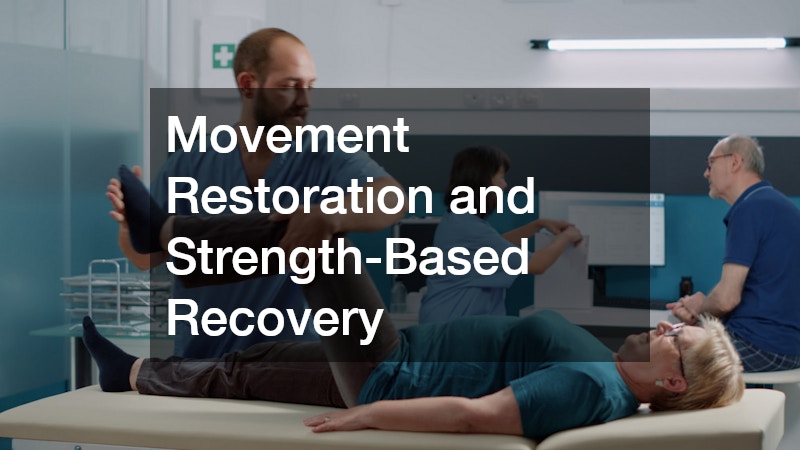
Restoring mobility after injury or physical decline is one of the most important aspects of rehabilitation care. Movement-based therapy ensures that patients regain independence while reducing the risk of reinjury.
Modern physical therapy programs are no longer static routines. They are highly personalized systems that evolve based on patient progress, pain levels, and functional goals.
A key component of successful recovery is gradual progression combined with consistency.
Core principles of movement-based recovery:
- Start with controlled, low-impact movements
- Focus on form before intensity
- Increase resistance gradually
- Incorporate balance and stability training
- Maintain consistent scheduling for exercises
Many recovery programs now integrate structured environments like fitness clubs, which provide supervised access to equipment and community support. These environments help individuals maintain long-term adherence to recovery routines.
Key advantages of structured fitness environments:
- Access to guided equipment use
- Support from trained professionals
- Motivational community setting
- Ability to track progress over time
The future of movement recovery lies in hybrid models that combine clinical supervision with lifestyle integration, making rehabilitation a continuous rather than temporary process.
Hands-On Therapy and Structural Alignment Support

Manual therapy remains one of the most effective components of rehabilitation care because it directly addresses muscle tension, circulation, and alignment issues.
Working with a skilled massage therapist can significantly improve recovery outcomes by reducing stiffness, improving blood flow, and enhancing relaxation. These treatments are especially effective when combined with movement-based rehabilitation.
Benefits of manual therapy include:
- Reduced muscle tension
- Improved flexibility
- Enhanced recovery after physical activity
- Stress reduction and relaxation
- Improved circulation in affected areas
In addition, structural alignment plays a key role in long-term wellness. A chiropractor helps ensure that spinal alignment supports nervous system function and overall body mechanics.
Chiropractic care may include:
- Spinal adjustments
- Postural correction strategies
- Mobility assessments
- Preventative alignment maintenance
When combined, massage and chiropractic care create a supportive system that enhances both immediate recovery and long-term physical resilience.
The Future of Integrated Recovery and Wellness
The future of rehabilitation and wellness care is not about isolated treatments—it is about integration. Nutrition, movement, manual therapy, environmental support, and personalized monitoring all work together to create more effective and sustainable recovery outcomes.
As healthcare continues to evolve, patients will benefit from systems that adapt to their individual needs in real time, combining clinical expertise with lifestyle-based support. This shift represents a move toward care models that are not only more effective but also more human-centered, practical, and sustainable over time.