
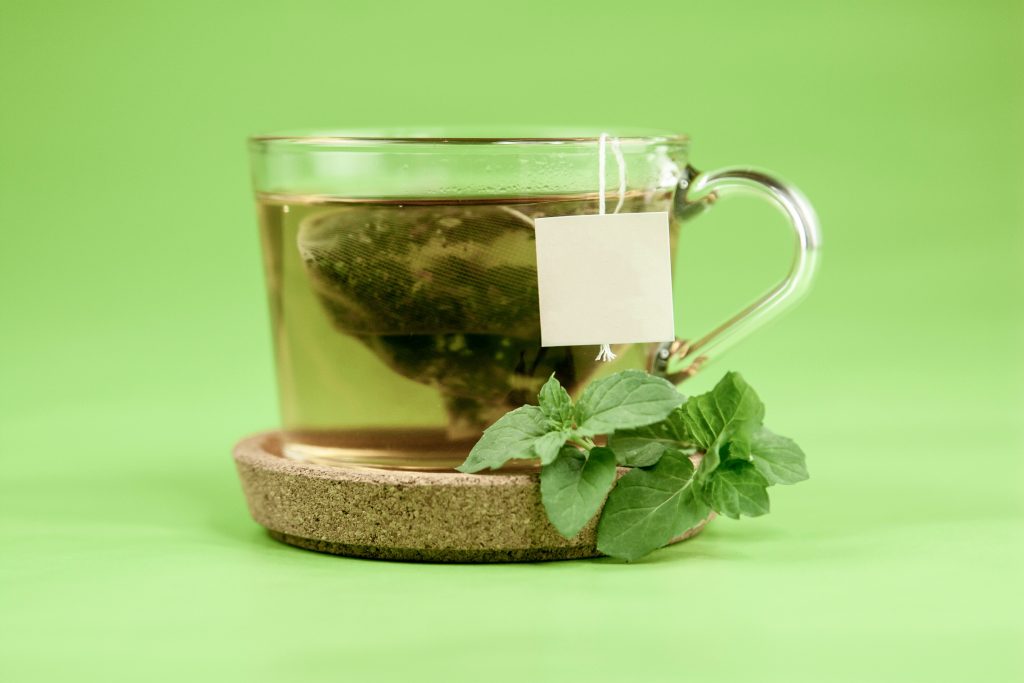
Highlights:
- Herbal tea isn’t one category — chamomile, peppermint, ginger, and hibiscus each work through completely different compounds, so their benefits and evidence bases shouldn’t be lumped together.
- Wellness-driven demand, not flavor or tradition, is now the biggest force behind herbal tea sales, with about a quarter of industry respondents naming health interest as the top purchase driver in 2025.
- Chamomile has real but modest research support for sleep — it mainly reduces nighttime awakenings rather than extending total sleep time or improving next-day alertness.
- Peppermint’s strongest evidence for digestive relief comes from concentrated oil capsules, not brewed tea, so a cup delivers a gentler, less potent version of that effect.
- Most documented benefits required consistent use over two to four weeks, meaning herbal tea works better as a routine than as a one-off remedy for a bad night or upset stomach.
- Natural doesn’t automatically mean risk-free — some herbs can interact with medications like blood thinners or blood pressure drugs, so regular use is worth mentioning to a doctor or pharmacist.
- Herbal tea is best treated as a low-risk supporting habit alongside good sleep hygiene, diet, and proper medical care, not as a stand-in for treating a diagnosed condition.
Walk down any grocery aisle and you will find shelves packed with chamomile, peppermint, ginger, and hibiscus blends, each one promising better sleep, calmer digestion, or a stronger immune system. Herbal tea has gone from a niche health-food purchase to a mainstream daily habit, and the numbers back that up. But popularity is not the same thing as proof. Some herbal tea claims hold up well under clinical scrutiny, while others are more marketing than medicine. This article breaks down what the research actually shows, where the myths creep in, and how to think about herbal tea as one small piece of a bigger wellness picture rather than a cure-all in a cup.
What Counts as an Herbal Tea in the First Place
Before getting into the science, it helps to clear up a common mix-up. True teas, meaning black, green, white, and oolong, all come from the same plant, Camellia sinensis, and they naturally contain caffeine. Herbal tea is different. It is technically a tisane, an infusion made from dried flowers, leaves, roots, bark, or seeds of other plants, and it is naturally caffeine-free unless something else has been blended in.
That distinction matters because a lot of the health claims floating around online blur the line between the two categories. The antioxidant research behind green tea, for example, often gets misapplied to chamomile or rooibos, even though the plant compounds involved are completely different. Green tea’s catechins, chamomile’s apigenin, and peppermint’s menthol are entirely separate chemical families that act on the body in different ways, so a study on one herb rarely tells you much about another, no matter how similar the marketing language sounds.
This is also why “herbal tea” is such a broad umbrella term. Saying an herbal tea is good or bad for you is a bit like saying a vegetable is good or bad for you, technically true in a general sense, but not useful without specifying which one and for what purpose. Common herbal tea ingredients include:
- Chamomile flowers, often used for relaxation and mild sleep support
- Peppermint leaves, associated with digestive comfort
- Ginger root, studied for nausea and inflammation
- Hibiscus petals, linked to modest blood pressure effects
- Rooibos, a caffeine-free red bush native to South Africa
Each of these has its own chemical profile, its own body of research, and its own limitations, which is exactly why lumping “herbal tea” together as one single health category oversimplifies things.
The Real Reason Herbal Tea Sales Are Booming in 2026
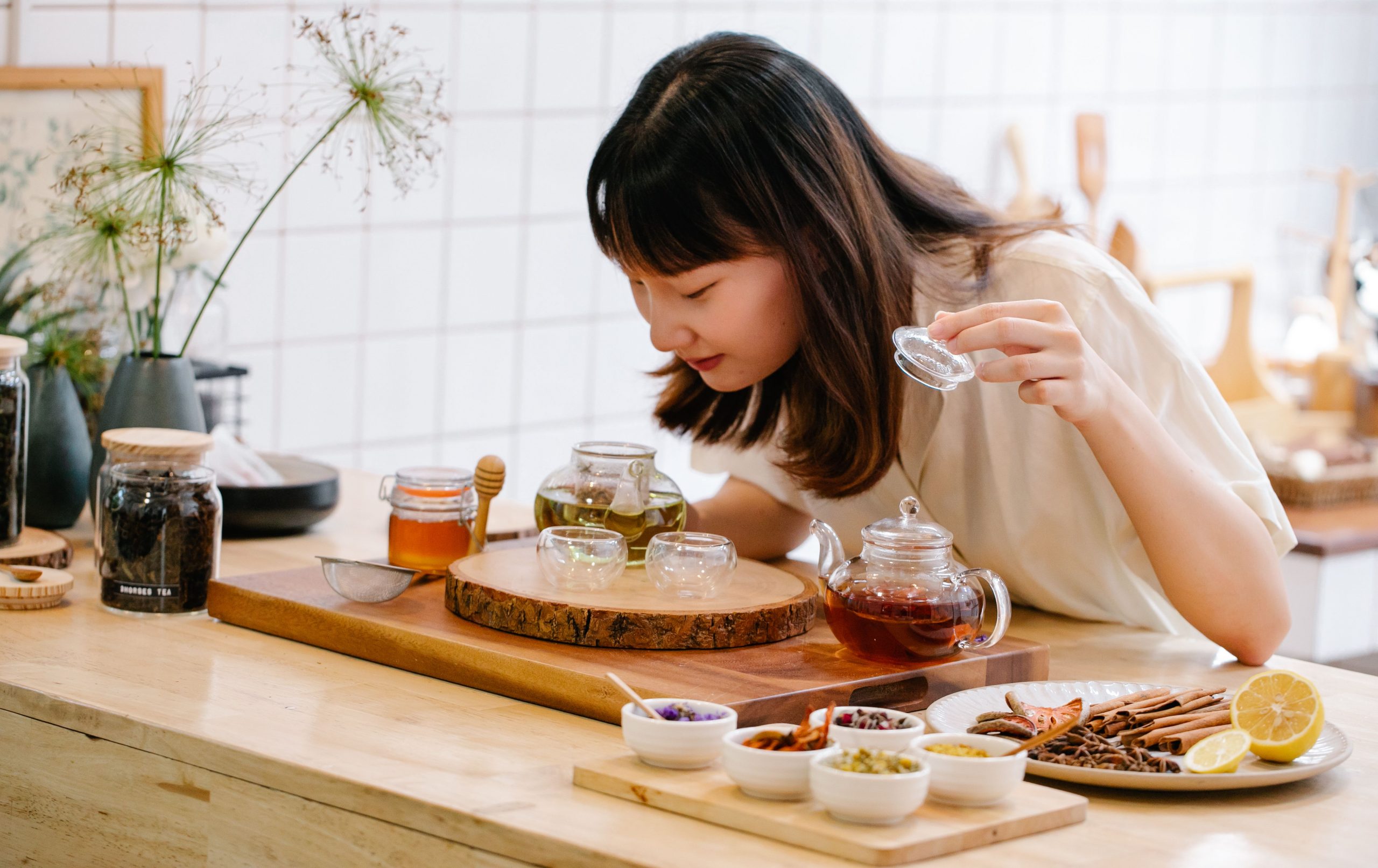
The wellness-beverage trend is not just a feeling, it is showing up clearly in industry data. According to Mordor Intelligence’s 2026 herbal tea market analysis, the global herbal tea market is projected to grow from just under six billion dollars in 2026 toward more than eight billion dollars by 2031. What is more telling than the dollar figure is the reason behind the growth. When the tea industry itself was surveyed in 2025 about what actually moves sales, consumer interest in health and wellness came out on top by a wide margin, named by roughly one in four respondents as the single biggest factor shaping purchasing decisions, ahead of price, flavor, or brand loyalty.
That is a meaningful shift. It means the herbal tea category is no longer being driven mainly by flavor preference or tradition, but by people specifically shopping for outcomes, whether that is better sleep, calmer digestion, or stress relief. The same report noted that this outcome-focused mindset is changing how brands market their products, with functional claims taking priority over price competition. It is also worth noting that this same 2026 report tracked a related pattern, organic beverage sales in the United States grew faster than the beverage market as a whole in 2025, which suggests that the wellness-driven buyer is also willing to pay a premium for ingredient transparency, not just a health claim on the label.
There are a couple of ways to read this trend:
- On one hand, it shows growing public interest in preventative, food-based approaches to everyday health complaints, which lines up with a broader shift toward proactive wellness habits.
- On the other hand, rapid market growth tends to attract marketing claims that outpace the actual research, so a booming category is not automatically a well-regulated one.
Understanding that gap between consumer demand and clinical evidence is the whole point of separating the science from the hype.
What the Research Actually Shows About Chamomile And Sleep
Chamomile is probably the most recognizable “sleepy time” herbal tea, and it does have some real science behind it. Chamomile flowers contain a flavonoid compound called apigenin, which binds to the same brain receptors that certain anti-anxiety medications target, just far more weakly and gently.
A 2024 systematic review and meta-analysis pooling multiple clinical trials found that chamomile did improve certain aspects of sleep, particularly reducing how often people woke up during the night. However, the same review found no significant improvement in total sleep duration, sleep efficiency, or next-day functioning. In other words, chamomile appears to help people stay asleep once they are asleep, but it is not a strong sedative that knocks you out or extends how long you sleep overall.
A few practical takeaways from that research:
- Most clinical trials used concentrated chamomile extract capsules, not brewed tea, so a cup of tea likely delivers a gentler, less potent dose
- Benefits tend to show up with consistent use over days or weeks, not as an immediate one-off effect
- Chamomile appears to be very well tolerated, with side effect rates similar to placebo in most trials
- People with ragweed allergies should be cautious, since chamomile belongs to the same plant family
The honest takeaway is that chamomile tea is a reasonable, low-risk addition to a wind-down routine, but it is not a replacement for addressing the root causes of chronic insomnia. If you are dealing with sleep that never feels restorative, waking up gasping, or insomnia that has stretched on for months, a cup of chamomile before bed is not going to substitute for a real conversation with a doctor about what is actually going on. Where it does make sense is as part of a broader wind-down ritual, the warm cup, the quiet ten minutes before bed, and the mild calming effect working together rather than any single ingredient doing all the heavy lifting.
Peppermint Tea and Digestion: Reading Between the Study Lines
Peppermint has some of the more compelling research behind it in the herbal tea world, though the details matter here too. Menthol, the active compound in peppermint, relaxes the smooth muscle lining the intestines, which can ease the cramping and spasms associated with irritable bowel syndrome.
A pooled review of clinical research on peppermint and gut health looked at nine separate trials covering more than 700 people with IBS and found that peppermint produced noticeably better symptom relief than a placebo once people used it consistently for two weeks or longer. In one of those individual trials, participants taking concentrated peppermint oil capsules saw their symptoms drop by around 40 percent, compared to roughly 24 percent in the group taking a placebo.
Here is the catch that a lot of headlines skip over: most of that research was done using concentrated, enteric-coated peppermint oil capsules, not brewed peppermint tea. That does not mean tea is useless, since it delivers the same active compound, just at a much lower and less predictable concentration. Steeping peppermint tea longer, at least five minutes, extracts more menthol and likely gets you closer to a therapeutic amount, though nowhere near what a capsule provides.
If digestive comfort is the goal, it helps to match the tea to the specific issue:
- For cramping, bloating, or IBS-related discomfort, peppermint is the most studied option
- For nausea or a sluggish stomach, ginger has strong supporting research, since its compounds stimulate digestive enzyme production
- For people managing IBS with diarrhea as the main symptom, low-FODMAP options like peppermint and ginger are generally better tolerated than high-FODMAP choices like chamomile or fennel
This is a good example of why context matters more than a blanket “is herbal tea good for you” answer. The right tea depends heavily on which symptom you are actually trying to address.
Common Herbal Tea Myths Worth Retiring
A lot of herbal tea marketing leans on vague, feel-good language that does not hold up to scrutiny. A few myths are worth addressing directly.
Myth: Herbal tea detoxes your body.
Your liver and kidneys already handle detoxification continuously. No tea, herbal or otherwise, flushes out toxins in a meaningful clinical sense. Staying hydrated supports normal organ function, and herbal tea can contribute to hydration, but that is a very different claim than “detoxing.”
Myth: If it is natural, it is automatically safe.
Plants contain active pharmacological compounds, sometimes potent ones. Certain herbal teas can interact with medications, including blood thinners, blood pressure drugs, and sedatives. Natural does not mean risk-free, it just means the compound came from a plant rather than a lab.
Myth: More tea means more benefit.
Sleep and digestive research generally shows a fairly narrow effective range. Drinking excessive amounts of a single herbal tea does not multiply the benefit and can sometimes introduce new problems, like electrolyte shifts from diuretic herbs or gastrointestinal upset from concentrated compounds.
Myth: All herbal teas are essentially the same.
As covered earlier, chamomile, peppermint, ginger, and hibiscus each have distinct mechanisms, distinct research bases, and distinct appropriate uses. Treating “herbal tea” as one interchangeable category is where a lot of confusion starts.
Myth: Herbal tea can replace prescribed medication.
Even the herbs with the strongest evidence, like peppermint for IBS or chamomile for sleep, were studied as complementary options, not substitutes for prescribed treatment. Stopping a prescribed medication in favor of tea alone, without medical guidance, is a real risk that gets glossed over in casual wellness content.
How Much Herbal Tea Actually Makes a Difference
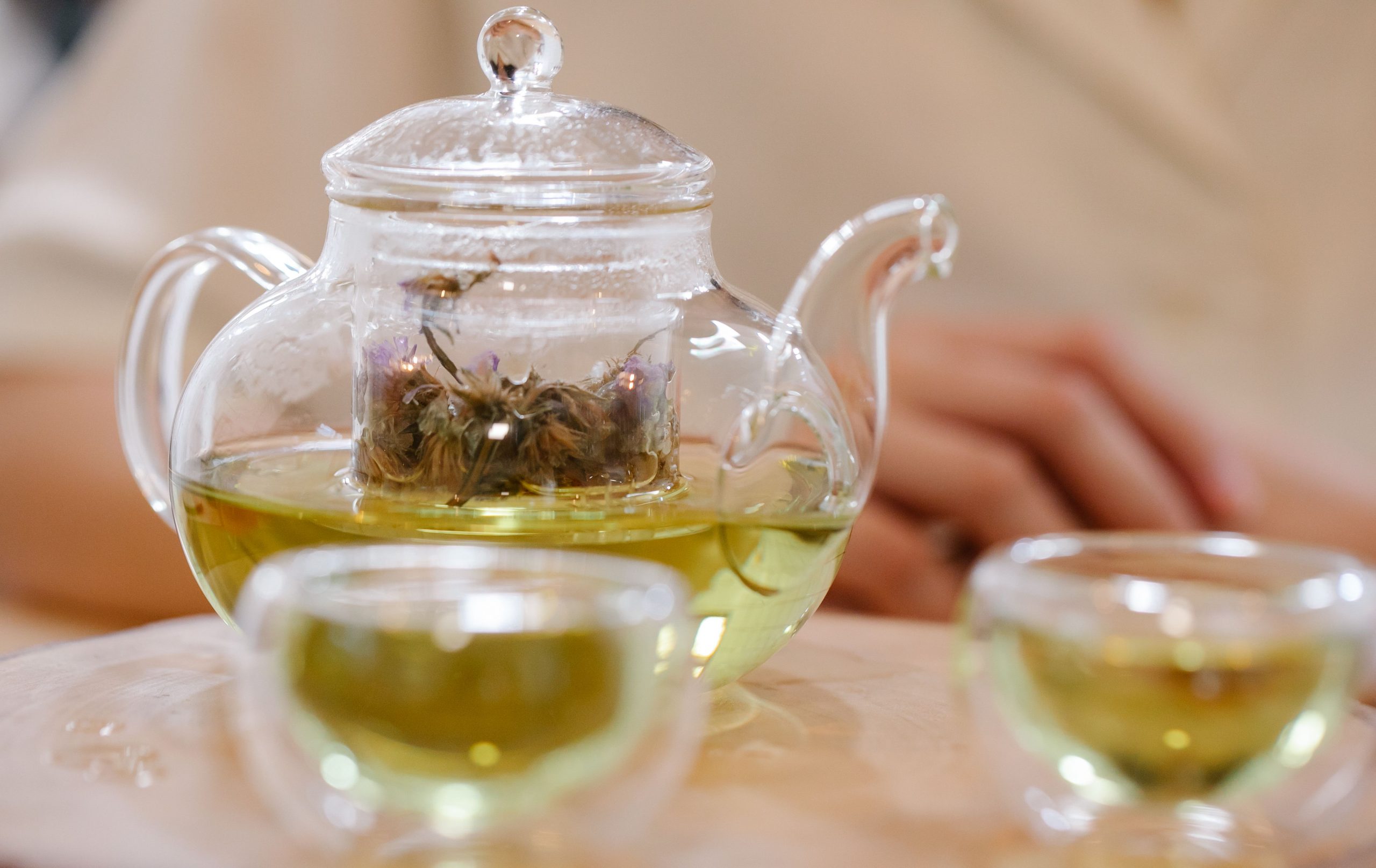
Clinical trials generally used fairly consistent, repeated dosing rather than an occasional cup here and there. For most of the benefits discussed in the research:
- Sleep-related benefits from chamomile were typically studied over two to four weeks of consistent nightly use, not a single cup before bed
- Digestive benefits from peppermint were generally observed after at least two weeks of regular consumption
- Ginger’s effects on nausea have shown up more quickly, sometimes within a single dose, which lines up with its more direct action on stomach emptying
This points to something important: herbal tea seems to work best as a routine, not a rescue remedy. A single cup of chamomile tea the night you cannot sleep is unlikely to replicate what a clinical trial measured after weeks of consistent use.
When Herbal Tea Isn’t Enough on Its Own
Herbal tea has a legitimate, evidence-supported role for mild, everyday complaints like occasional restlessness, mild digestive discomfort, or general relaxation. It is not designed to treat diagnosed conditions like clinical insomnia, IBS, anxiety disorders, or chronic inflammation on its own. Thinking about wellness this way is really about balancing modern medicine with holistic wellness rather than treating one as a replacement for the other.
That distinction matters for a few practical reasons:
- Chronic symptoms deserve a proper diagnosis, since herbal tea can mask mild symptoms without addressing an underlying issue that needs medical attention
- Some herbal compounds genuinely interact with prescription medications, so it is worth mentioning regular herbal tea use to a doctor or pharmacist, especially with blood thinners or blood pressure medication
- Pregnancy and certain medical conditions change the safety profile of specific herbs significantly, so blanket “it’s just tea” assumptions do not always apply
None of this means herbal tea is not worth drinking. It means the honest, evidence-based answer to “is herbal tea good for you” is that it can be a genuinely helpful supporting habit, not a standalone treatment.
Building a Realistic Herbal Tea Routine
If you want to actually get something out of herbal tea rather than just enjoying the ritual of it, a few adjustments based on the research can help:
- Pick the tea based on the specific symptom you are targeting, not just flavor or trend
- Steep longer than the package suggests if you are after the therapeutic compounds, generally five or more minutes for peppermint and chamomile
- Build in consistency, since most documented benefits came from regular use over weeks, not occasional cups
- Pay attention to how your body responds and adjust rather than assuming more is automatically better
- Keep a doctor or pharmacist in the loop if you take regular medication, particularly blood thinners, sedatives, or blood pressure drugs
Herbal tea works best as a low-stakes, low-risk habit layered on top of good sleep hygiene, a reasonable diet, and appropriate medical care, not as a substitute for any of those things.
It also helps to think about storage and freshness, since dried herbs lose potency over time. A jar of chamomile or peppermint that has been sitting open on a shelf for a year is unlikely to deliver the same concentration of active compounds as a fresher batch, which could be one reason people sometimes feel underwhelmed by a tea that performed well in clinical trials using standardized, fresh extracts.
The Bottom Line
The science on herbal tea is more nuanced than either the enthusiastic marketing or the dismissive skepticism suggests. Chamomile has real, modest evidence for improving certain aspects of sleep. Peppermint has genuine research support for digestive comfort, even if most of the strongest data comes from concentrated capsules rather than brewed tea. And the booming market growth behind these products reflects real consumer demand for natural, outcome-driven wellness options, not just clever branding. The most useful mindset going forward is treating herbal tea as one small, evidence-informed tool among many, rather than expecting a single cup to solve a problem that took much longer than a cup of tea to develop.