As the population ages, the demand for local home care services has surged. Many individuals, especially seniors, wish to stay in the comfort of their own homes as they grow older.
Local home care provides the perfect solution, offering support that ranges from medical assistance to daily living activities. This essential service ensures that individuals can maintain their independence while receiving the care they need right at home. It’s crucial for families to understand and recognize when it’s time to seek out these services.
The benefits of local home care extend beyond the basic necessities; they cater to the emotional and social well-being of the recipient. Personalized care plans are created to meet the unique needs of each individual, ensuring that they receive the most appropriate and effective care. By focusing on holistic care, providers aim to improve overall quality of life. Additionally, local home care often includes companionship services, helping to combat loneliness and isolation. By integrating into communities, these services offer a bridge between independence and essential support.
Families looking for local home care need to assess their loved one’s specific needs to determine the right level of care. Understanding the available services in your local area is essential, as it can offer peace of mind knowing that professional help is readily accessible. Moreover, local services often come with the added benefit of being more attuned to the community’s unique culture and resources, providing a more personalized care experience. It’s also important to consider the convenience and flexibility offered by nearby services. This ensures that help is always just a call away, catering to emergency and customized care requirements.
Researching Local Home Care Providers
When embarking on the journey of finding the right local home care provider for a loved one, thorough research is key. Start by compiling a list of potential providers in your area. This can be done by searching online, consulting with healthcare professionals, and asking for recommendations from friends and family. It’s important to gather as much information as possible about each provider to make an informed decision. Services, credentials, and reviews should be some of the critical factors considered during this stage of research.
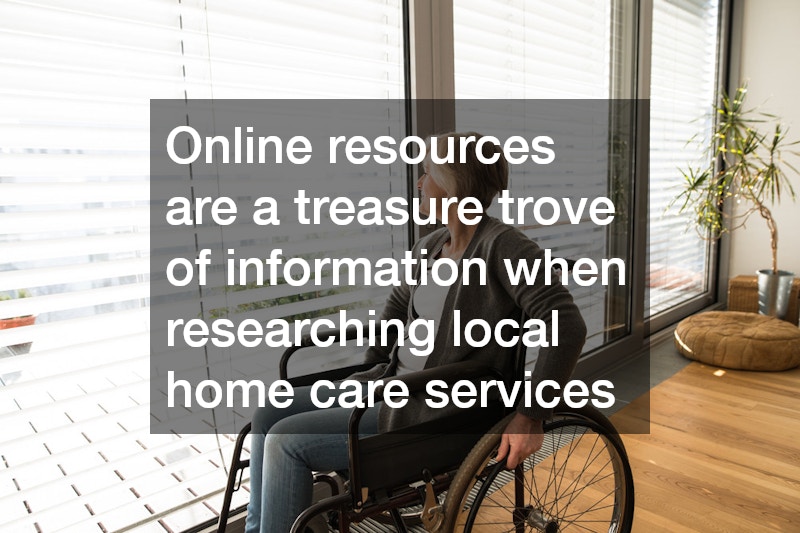
Online resources are a treasure trove of information when researching local home care services. Websites dedicated to elder care and forums for caregivers often have detailed reviews and ratings of various providers. Additionally, many local home care agencies maintain informative websites that list their offered services and client testimonials. This allows prospective clients to evaluate the quality of care and the provider’s reputation. Cross-referencing multiple sources can offer a well-rounded perspective on the most reliable services available in your vicinity.
Aside from digital avenues, connecting with local health community centers or resource centers can also be beneficial. These organizations often have updated directories and can provide personal referrals to trustworthy home care providers. Taking the time to visit a few potential providers in person is highly recommended. By doing so, families can assess the facility, meet the caregivers, and evaluate the overall environment. It’s important to ensure that the staff is professional, compassionate, and dedicated to providing high-quality care.
Evaluating Home Care Options
Once you’ve gathered a list of potential local home care providers, it’s time to evaluate them based on certain criteria. The quality of care offered is paramount, but it’s also important to consider the specific services provided. Many home care agencies offer a range of services, such as personal care, medical care, and household support. It’s essential to ensure the services align with the specific needs of your loved one. Additionally, verify if the provider has any specializations that might benefit your loved one’s condition.
Accreditation and licensing are also critical factors to investigate during the evaluation phase. Accredited agencies adhere to standards that guarantee a certain level of care and professionalism. Moreover, these agencies are more likely to have well-trained and certified caregivers. This not only ensures quality service but also provides peace of mind to families. Furthermore, looking for local home care services also involves checking the provider’s track record for any complaints or violations, as this can give insight into their reliability and commitment to safe care.
Communication is another important factor when evaluating local home care providers. It’s essential to choose a provider that values open communication and keeps families informed about their loved one’s care and any changes in health. Transparency about fees and services should also be expected from reliable providers. Finally, in the evaluation process, pay attention to how well the provider can adapt to the changing needs of their clients. The ability to offer flexible care plans that evolve as the client’s condition changes is a testament to a provider’s dedication and professionalism.