
Accidents can happen at any time, whether it’s a car collision, a fall at home, or an unexpected sports injury. The immediate aftermath of an accident can be overwhelming, leaving you unsure about what steps to take next. While physical injuries may be obvious, there can also be hidden complications that emerge later if not addressed promptly.
It is crucial to take a structured approach that prioritizes immediate medical attention, ensures proper recovery, and considers legal protections when necessary. Following a clear set of guidelines can significantly reduce the risk of long-term consequences, help you regain your health faster, and protect your rights. This article provides a comprehensive roadmap for managing your recovery after an accident, covering everything from emergency care to specialized treatments and legal support.
Immediate Steps to Take After an Accident
When an accident occurs, time is critical. Immediate assessment and proper actions can prevent minor injuries from worsening and reduce the risk of long-term complications. Acting quickly and thoughtfully can make the difference in both your health and potential legal outcomes.
Assess the Situation Safely:
-
Ensure the scene is safe before moving anyone who is injured. Look for hazards such as traffic, leaking fuel, or broken glass. If possible, alert other drivers or bystanders to prevent additional accidents.
-
Check yourself and others for bleeding, broken bones, or head trauma. Take note of any dizziness, confusion, or unconsciousness, as these may indicate serious internal injuries.
-
Avoid making sudden movements if spinal injury is suspected. Stabilize the head and neck and wait for trained emergency personnel if available. Using improvised supports like rolled-up jackets can help prevent further injury until help arrives.
Seek Prompt Medical Attention:
-
For injuries that are severe, persistent, or involve head trauma, visiting urgent care is essential. Urgent care centers provide rapid assessment, diagnostic imaging, and treatment to stabilize conditions before complications arise.
-
Even if injuries appear minor, delayed symptoms like internal bleeding, concussion, or soft tissue swelling may develop. Early medical attention allows healthcare professionals to catch these hidden injuries and provide appropriate treatment, reducing long-term risk.
-
Keep a list of your medications, allergies, and previous medical conditions to share with the urgent care staff for safer, faster treatment.
Document the Accident:
-
Take photos of the scene, vehicles, and any visible injuries, including close-ups of scrapes, bruises, or dental damage. Visual evidence can be critical for both medical evaluation and insurance claims.
-
Gather contact information of witnesses and involved parties, including phone numbers, addresses, and insurance details. This helps ensure accurate reporting and supports your legal or insurance case.
-
Keep a record of immediate medical evaluations and recommendations. Include notes from doctors, imaging results, and any prescribed medications to track the timeline of care.
Engage Legal Guidance Early:
-
A car accident lawyer can help you navigate insurance claims, ensuring that medical costs and potential damages are properly documented and pursued.
-
They can advise on what medical evidence will support your case without compromising your health priorities. For example, timely medical records, photos of injuries, and follow-up care notes can strengthen claims and prevent disputes with insurers.
-
Early consultation also allows lawyers to guide communication with the other party or insurance company, minimizing stress while protecting your rights.
Tips:
-
Always err on the side of caution when deciding whether to seek urgent care, even if symptoms seem minor at first.
-
Keep a checklist in your vehicle for quick reference after accidents, including emergency contacts, medical information, and insurance details. This ensures faster, more organized action when every minute counts.
-
Consider carrying a small first-aid kit and a phone charger in your vehicle to assist in immediate response and documentation.
Evaluating Dental and Oral Injuries
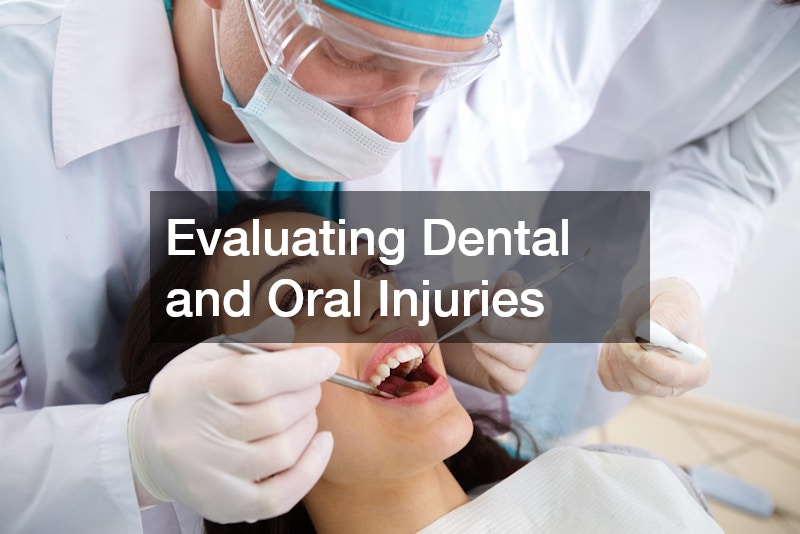
Dental trauma is common in accidents involving falls, sports, or vehicle collisions. Even seemingly minor damage can lead to long-term complications if not addressed promptly. Timely evaluation preserves oral function, prevents infection, and can reduce the need for extensive restorative procedures later.
Identify Signs of Dental Injury:
-
Loose, chipped, or fractured teeth: A tooth that moves when gently touched or has visible cracks should be treated immediately to prevent further damage or loss.
-
Jaw pain or difficulty opening the mouth: These may indicate a dislocation, fracture, or underlying soft tissue injury. Early intervention helps prevent permanent misalignment or chronic pain.
-
Bleeding gums or oral lacerations: Cuts inside the mouth can become infected quickly due to bacteria. Prompt cleaning, antiseptic treatment, and professional assessment are essential.
-
Additional subtle signs: Sensitivity to hot or cold, swelling, or bruising may indicate underlying trauma that isn’t immediately visible. Always monitor these symptoms closely.
Choosing the Right Facility:
-
Seek a dental office with emergency care capabilities if standard clinics are unavailable. Many dental offices offer same-day or walk-in appointments specifically for trauma cases.
-
Look for offices with experience in handling dental injuries from accidents, as prompt intervention can save teeth, prevent infection, and reduce the need for extensive restorative work.
-
Consider proximity to your primary care or urgent care provider for faster referrals in case of severe facial injuries.
Treatment Steps a Dentist Might Recommend:
-
Stabilizing loose teeth with splints: Splints can protect teeth from further movement while allowing surrounding tissue to heal.
-
Repairing chipped teeth or cracks with bonding: Cosmetic and functional repair prevents infection and restores appearance.
-
Prescribing antibiotics if soft tissue damage occurred: Cuts or punctures in the gums can quickly become infected, making antibiotics essential in certain cases.
-
Pain management and follow-up: Dentists may recommend anti-inflammatory medication or specialized mouth rinses to promote healing.
Tips for Insurance and Records:
-
Document each visit thoroughly, including treatments, prescriptions, and dentist recommendations. This record can support insurance claims or legal cases if injuries were accident-related.
-
Keep X-rays, photographs, and dental charts as they may be needed for follow-up procedures, insurance verification, or evidence in personal injury claims.
-
Note the timeline of symptoms, treatments, and any changes in oral health to provide a clear, detailed record.
Tips for Recovery:
-
Avoid chewing hard foods, sticky candies, or ice until your dentist confirms it is safe.
-
Use a soft-bristled toothbrush and antiseptic mouthwash to reduce the risk of infection while keeping teeth and gums clean.
-
Follow prescribed pain management, including over-the-counter or prescribed medications, and stick to all follow-up appointments.
-
Practice gentle oral hygiene habits and monitor for swelling, persistent pain, or discoloration, which could indicate complications.
-
Consider using protective gear like mouthguards in the future to prevent similar injuries.
Caring for Children After an Accident
Children have unique needs when recovering from accidents, particularly when dental or oral injuries are involved. Pediatric dentists specialize in treating young patients, taking into account both their physical recovery and emotional well-being. Children may not always communicate the extent of their discomfort, so careful observation and proactive care are essential.
When to Seek Pediatric Care:
-
Any knocked-out, loose, or broken teeth should be evaluated immediately. Even if a tooth appears minorly damaged, early intervention can save it or prevent long-term issues.
-
Look for pain, swelling, unusual bleeding, or bruising in the mouth, which may indicate soft tissue damage or jaw trauma.
-
Behavioral changes such as irritability, reluctance to eat, or complaints of jaw or head pain can be subtle signs of injury that need professional assessment.
-
Delays in seeking care can lead to infection, misalignment, or unnecessary dental complications, making timely evaluation critical.
Options for Repair and Restoration:
-
Pediatric dentists can stabilize damaged teeth using splints or other protective measures, allowing proper healing and alignment.
-
In cases where cosmetic restoration is appropriate, dental veneers may be recommended, especially for older children and teenagers, to maintain both appearance and function after trauma.
-
Sealants, fluoride treatments, or other preventive measures may be applied to protect weakened enamel and prevent decay during recovery.
Supporting a Child’s Recovery:
-
Keep follow-up appointments consistent to ensure proper healing and detect any complications early.
-
Offer reassurance and explain treatments in age-appropriate terms. Simple language, demonstration tools, or visual aids can help reduce fear and anxiety.
-
Provide soft foods, such as yogurt, mashed potatoes, or smoothies, and avoid sticky, hard, or chewy foods that could damage healing teeth or restorations.
-
Encourage gentle brushing with a soft-bristled toothbrush and mild toothpaste to maintain oral hygiene without disrupting healing.
-
Track any pain, sensitivity, swelling, or changes in behavior, and report these observations to the pediatric dentist promptly.
-
Introduce coping techniques such as distraction with toys, games, or favorite activities during oral care or follow-up visits.
Additional Tips:
-
Use protective gear, such as mouthguards during sports, to reduce the risk of future injuries.
-
Maintain a positive environment around dental care; praise the child for cooperation and resilience.
-
Educate caregivers and family members on signs of delayed complications, ensuring continuous monitoring outside of clinic visits.
Physical Recovery and Rehabilitation
Physical injuries often require structured rehabilitation to regain mobility, strength, and function. Combining multiple approaches can optimize recovery outcomes.
Role of Physical Therapy:
-
Local physical therapy clinics provide tailored programs to strengthen injured areas and improve flexibility.
-
Therapists can monitor progress, adjust exercises, and educate patients on safe movement patterns.
Complementary Approaches:
-
Acupuncture services can help manage pain, reduce inflammation, and improve circulation.
-
Integrating acupuncture with physical therapy may accelerate recovery for certain musculoskeletal injuries.
Tips for Effective Rehabilitation:
-
Follow prescribed exercise routines consistently
-
Track progress with a journal or app
-
Communicate openly with your therapist about pain, stiffness, or setbacks
-
Attend all scheduled sessions for maximum benefit
-
Use proper posture and movement techniques at home
-
Avoid overexertion to prevent setbacks
Understanding Specialist Care Opportunities
Physiatrists, or physical medicine and rehabilitation specialists, play a critical role in guiding patients through post-accident recovery. Their expertise focuses on restoring function and improving quality of life.
What Physiatrists Do:
-
Evaluate musculoskeletal, neurological, and soft tissue injuries
-
Design individualized treatment plans integrating therapy, medications, and assistive devices
-
Coordinate care with surgeons, therapists, and primary care physicians
Career Insights:
-
Physiatry jobs require specialized training in rehabilitation medicine, offering opportunities to make a significant impact on patient recovery.
-
Understanding the expertise of physiatrists can help patients make informed choices when seeking specialized care.
Tips for Patients:
-
Ask your physiatrist about expected recovery timelines
-
Keep all therapy notes and progress reports
-
Follow recommendations consistently to prevent re-injury
Legal Considerations and Insurance Guidance

Navigating insurance claims and potential legal action can be overwhelming, but early involvement of personal injury lawyers ensures that your medical care and compensation are properly addressed.
Documentation Essentials:
-
Maintain a detailed log of all medical visits and treatments
-
Photograph injuries and save diagnostic reports
-
Collect receipts for medical expenses, prescriptions, and therapy sessions
Working with a Lawyer:
-
Personal injury lawyers can help you understand your rights and options for compensation
-
They can communicate with insurance companies to ensure claims are processed accurately
-
Legal support allows you to focus on recovery while protecting long-term financial interests
Tips:
-
Consult a lawyer before signing settlement documents
-
Be transparent about all treatments and expenses
-
Keep copies of all correspondence with insurance providers
Long-Term Health and Follow-Up Care
Even after initial treatment, long-term follow-up is essential to prevent complications and ensure complete recovery.
Medical Follow-Up:
-
Schedule visits with urgent care or primary care providers if new symptoms appear
-
Monitor for delayed injuries such as internal bleeding, joint instability, or infection
Dental Follow-Up:
-
Regular check-ups with a dentist help maintain oral health after trauma
-
Early detection of issues like cracked teeth or jaw misalignment can prevent more invasive procedures
Tips for Maintaining Recovery:
-
Keep a calendar of medical and dental appointments
-
Report any recurring pain, swelling, or limited mobility promptly
-
Continue home-based rehabilitation and dental care routines
-
Maintain a balanced diet to support healing
-
Stay hydrated and get adequate rest
-
Follow preventive measures to avoid future injuries
Recovering from an accident involves more than treating visible injuries; it requires a comprehensive approach that includes emergency care, dental attention, rehabilitation, specialized medical support, and legal guidance. By taking immediate steps, engaging appropriate specialists, and following structured recovery plans, you can significantly improve outcomes and reduce the risk of long-term complications.
A proactive approach empowers patients to protect their health, regain full function, and ensure that all necessary legal and financial protections are in place. Keeping organized records, following treatment recommendations, and seeking help from qualified professionals at every stage of recovery can make the difference between a difficult experience and a smooth, safe return to normal life.