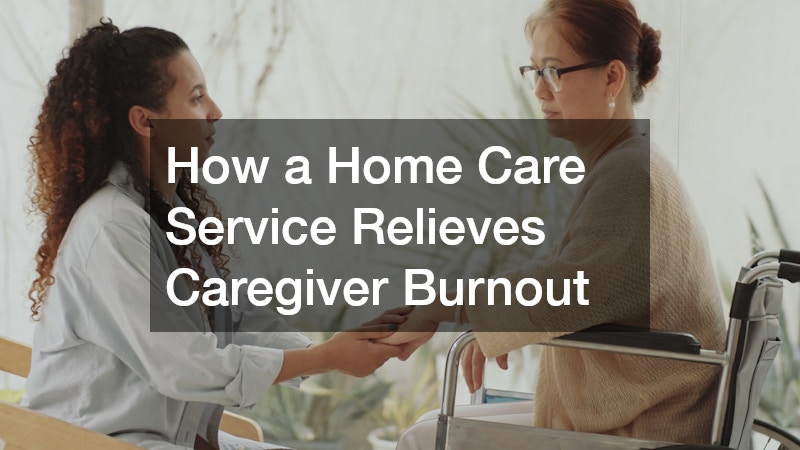
Navigating the role of a primary caregiver for an aging or ill family member is a deeply noble endeavor, yet it frequently leads to a level of physical and emotional depletion that is difficult to sustain. Many individuals find themselves balancing professional responsibilities, personal lives, and the intensive demands of caregiving, often reaching a breaking point before they realize they need assistance. Integrating a professional home care service into the daily routine offers a vital lifeline, allowing families to transition from a state of constant crisis management to a more sustainable and fulfilling dynamic. By shifting the burden of clinical or repetitive tasks to trained professionals, families can reclaim their roles as children, spouses, or siblings, ensuring that the time spent with their loved ones is defined by meaningful connection rather than just the mechanics of care.
Identifying Common Symptoms of Caregiver Exhaustion
Caregiver exhaustion often manifests as a slow erosion of one’s physical health and emotional resilience, beginning with subtle cues that are easily dismissed as temporary stress. It is characterized by a persistent sense of fatigue that sleep cannot fix, accompanied by feelings of irritability, hopelessness, and a declining interest in activities that were once enjoyable.
When a person is constantly on call, the sympathetic nervous system remains in a state of high alert, eventually leading to burnout. This state of chronic depletion not only harms the caregiver’s well-being but also impacts the quality of support they can provide, potentially leading to resentment or unintended lapses in attention.
Delegating Daily Tasks to Professional Aides
The transition to professional assistance begins with the strategic delegation of the repetitive and physically demanding tasks that consume the majority of a caregiver’s day. With home care service, professional aides are trained to handle the logistics of daily living: ranging from meal preparation, light housekeeping, to more sensitive personal care needs. By handing over these responsibilities, the primary family caregiver can step back from the role of a “taskmaster” and focus on the emotional and social aspects of their relationship with the care recipient. This shift does not mean a loss of control, but rather a redistribution of energy that ensures all needs are met with a high standard of consistency.
Prioritizing Emotional Well-Being Through Respite Care
Addressing the emotional toll of caregiving requires intentional breaks, often referred to as respite care, which allow the primary caregiver to disconnect and recharge. Without these intervals, the emotional weight of watching a loved one decline can become overwhelming, leading to a sense of isolation and depression. Respite care provides the necessary space for caregivers to pursue their own hobbies, spend time with friends, or simply rest without the constant anxiety of wondering if their loved one is safe. Prioritizing one’s own mental health is not a selfish act; it is a vital component of a long-term care strategy that benefits everyone involved in the household.
Enhancing Safety Measures Within the Home Environment
Maintaining a safe home environment is a complex task that involves identifying hidden hazards and implementing preventative measures to avoid accidents. Professional caregivers bring a fresh set of eyes to the living space, often noticing risks that family members have become accustomed to over time. Their expertise allows them to suggest and implement environmental modifications that promote independence while minimizing the likelihood of injury. A safe home is the foundation of effective care, providing peace of mind to the family that their loved one is protected from the common dangers of restricted mobility or cognitive decline.
Restoring Healthy Boundaries in Family Relationships
One of the most profound benefits of bringing in professional support is the restoration of healthy boundaries and roles within the family unit. When a child becomes a full-time nurse or a spouse becomes a 24-hour medical assistant, the original bond can become buried under the weight of clinical requirements. Introducing professional help allows these individuals to shed the “provider” label and return to being a daughter, son, or partner. This boundary-setting is crucial for the long-term health of the relationship, as it reduces the friction and power imbalances that often arise when a family member must perform invasive or difficult care tasks.
The decision to hire help is an act of love that prioritizes the health of the entire family. Caregiving is a marathon, not a sprint, and no one is expected to run it alone without the proper equipment and support team. By recognizing the signs of burnout and actively seeking out a home care service, you ensure that your loved one receives the highest quality of care in the comfort of their own home. This transition provides the breathing room necessary to sustain your own life and health, ensuring that you can be present and supportive for the long haul.